
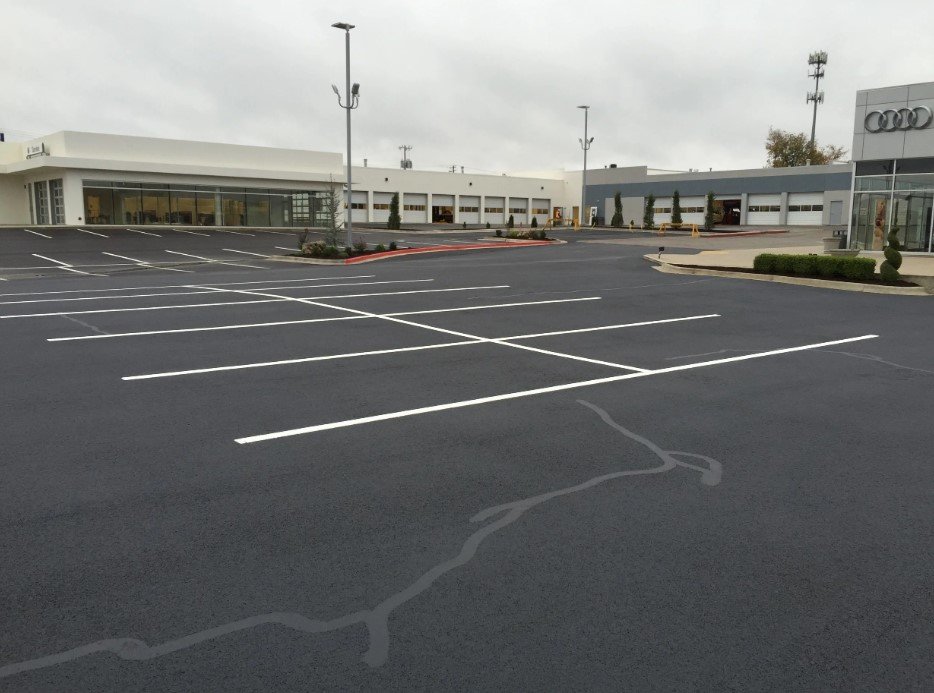
A well-maintained parking lot does more than improve the appearance of a property. It also provides safer driving and walking surfaces while helping prevent small pavement problems from becoming expensive repairs. One of the most practical ways to protect asphalt is Crack filling for parking lots, especially when cracks are identified before water and seasonal weather cause additional damage. With the right materials, preparation, application method, and maintenance schedule, property owners can significantly extend the useful life of their pavement.
Why Parking Lot Cracks Should Be Repaired
Asphalt naturally expands and contracts as temperatures change. Heavy traffic, water infiltration, poor drainage, tree roots, and normal aging can also contribute to cracking. Although a narrow crack may appear harmless, it can allow rainwater to penetrate beneath the pavement.
Once water reaches the underlying layers, it can weaken the pavement structure and contribute to potholes, surface deterioration, and larger cracks. Prompt Crack filling for parking lots creates a protective barrier that helps keep moisture out and slows the progression of pavement damage.
Common Methods for Crack Filling
The appropriate repair method depends on the size, depth, location, and condition of the crack.
Hot-Pour Crack Filling
Hot-pour materials are commonly used for asphalt parking lots because they provide a flexible seal that can accommodate pavement movement. The material is heated before application and poured directly into prepared cracks.
This method is particularly useful for active cracks that expand and contract with temperature changes. When professionally installed, hot-pour crack filler can provide durable protection against water penetration and repeated traffic.
Cold-Pour Crack Filling
Cold-pour products are easier to apply because they do not require specialized heating equipment. They are often suitable for smaller maintenance projects and narrow cracks.
Although convenient, cold-applied materials may not provide the same flexibility or longevity as properly installed hot-pour products in areas exposed to significant pavement movement. Product selection should therefore consider local weather and pavement conditions.
Routing and Filling
For larger or deteriorating cracks, routing may be performed before filling. A specialized machine widens and shapes the crack into a consistent reservoir, allowing the sealant to bond more effectively with the pavement.
This approach can improve the performance of the repair when cracks have irregular edges or have become wider over time.
The Crack Filling Process
Successful Crack filling for parking lots requires more than simply pouring sealant into visible cracks. Proper preparation is essential.
First, the pavement should be inspected to identify the location and severity of cracking. Loose debris, dirt, vegetation, and other contaminants must then be removed. Depending on the repair system, the crack may be cleaned using compressed air, brushes, or specialized equipment.
After cleaning, the selected sealant is applied according to the manufacturer’s specifications. The material should completely fill the intended crack without creating unnecessary buildup on the pavement surface. The repaired area must then be allowed to cure or cool before significant vehicle traffic resumes.
Professional contractors can also identify cracks that are symptoms of deeper structural problems. In those situations, filling alone may not provide a permanent solution.
Benefits of Crack Filling
Prevents Water Infiltration
The primary purpose of crack filling is to keep water from entering the pavement structure. Limiting moisture penetration can help reduce freeze-thaw damage and weakening of the underlying materials.
Extends Pavement Life
Regular crack repair can slow pavement deterioration. By addressing cracks while they are still manageable, property owners may postpone more extensive resurfacing or reconstruction.
Reduces Long-Term Costs
Preventive maintenance is generally more economical than waiting until cracks develop into potholes or widespread pavement failure. A planned maintenance program allows property owners to address problems before they become major expenses.
Improves Appearance
Visible cracks can make a parking lot look neglected. Properly filled cracks create a cleaner, more maintained appearance and can complement other pavement maintenance services such as sealcoating and line striping.
Supports Safer Surfaces
Large or deteriorating cracks can create uneven surfaces for vehicles and pedestrians. Timely repairs help reduce these hazards and contribute to a more functional parking area.
When Should Parking Lot Cracks Be Filled?
Timing plays an important role in pavement maintenance. Crack filling is generally most effective when the asphalt is clean, dry, and within the temperature range recommended for the selected sealant.
Property owners should inspect parking lots regularly, particularly after periods of heavy rain, extreme temperatures, or increased traffic. Early-season inspections can help identify new cracks before they expand.
It is also important to distinguish between cracks that can be sealed and structural failures that require more extensive repairs. Alligator cracking, severe pavement deformation, and widespread base failure may indicate problems that crack filler cannot solve.
Maintenance After Crack Filling
Proper maintenance helps maximize the life of repaired cracks. Parking lots should be inspected periodically for new openings, failed sealant, potholes, drainage problems, and other signs of deterioration.
Keeping drains and surrounding areas clear can reduce standing water. Promptly addressing new cracks can prevent moisture from reaching deeper pavement layers. Sealcoating, when appropriate for the pavement and recommended maintenance schedule, can provide additional protection against oxidation, weather exposure, and surface wear.
Heavy equipment should also be managed carefully because concentrated loads can accelerate pavement deterioration, particularly on older asphalt.
Choosing the Right Crack-Filling Approach
The best solution depends on several factors, including pavement age, crack width, traffic volume, climate, drainage, and the overall condition of the parking lot. A small property with limited cracking may require a straightforward maintenance treatment, while a heavily used commercial parking lot may benefit from professional preparation, routing, and hot-applied sealants.
Contractors should also evaluate whether the pavement needs additional services before beginning Crack filling for parking lots. Combining crack repair with appropriate surface maintenance can create a more comprehensive pavement preservation strategy.
Conclusion
Effective parking lot maintenance begins with addressing minor problems before they develop into major pavement failures. Crack filling for parking lots helps prevent water infiltration, improve pavement appearance, extend asphalt service life, and reduce the likelihood of costly repairs.
By selecting the appropriate filling method, preparing cracks correctly, applying quality materials, and maintaining the pavement regularly, property owners can protect their investment and keep parking areas functional for years. Regular inspections and professional assessments are especially valuable when cracks are widespread, rapidly expanding, or accompanied by potholes and structural deterioration.
