
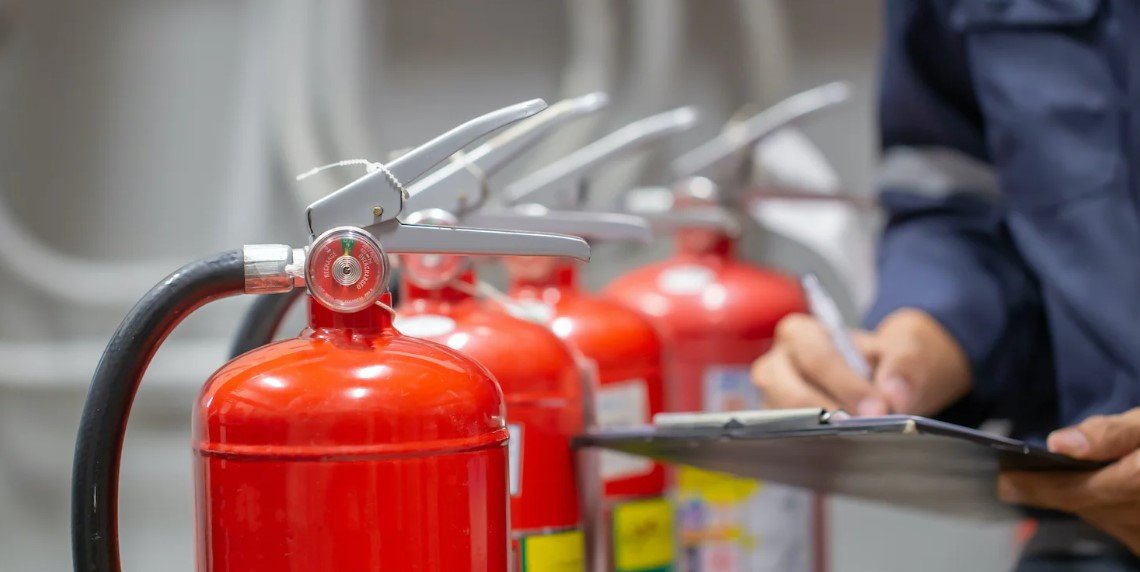
Fire safety is a critical responsibility for property owners and managers, especially in buildings regulated by the Department of Housing and Urban Development (HUD). These properties often house families, seniors, and vulnerable individuals, making strict safety compliance essential. One of the most important aspects of maintaining building safety is performing a proper HUD fire extinguisher inspection.
Fire extinguishers are the first line of defense when a small fire breaks out. However, simply having them installed in a building is not enough. They must be inspected regularly, maintained correctly, and documented according to HUD safety standards. Unfortunately, many property managers unknowingly make mistakes during inspections that can lead to compliance violations, fines, or even serious safety risks.
Understanding the most common errors can help ensure that every HUD fire extinguisher inspection is conducted properly and that buildings remain compliant and safe.
Understanding the Importance of a HUD Fire Extinguisher Inspection
HUD-regulated housing properties must follow strict fire safety regulations to protect residents and maintain eligibility for funding and programs. A HUD fire extinguisher inspection ensures that extinguishers are:
-
Easily accessible
-
Properly charged
-
Free from damage
-
Installed in the correct locations
-
Ready to use during an emergency
Routine inspections are typically required monthly, with more detailed annual maintenance conducted by certified professionals. When these inspections are done correctly, they reduce fire hazards and ensure that emergency equipment works when needed.
However, mistakes during inspections can make extinguishers ineffective or place a property out of compliance with HUD requirements.
Failing to Perform Regular Inspections
One of the most common mistakes is simply forgetting or neglecting routine inspections. Many property managers assume that once extinguishers are installed, they will remain functional indefinitely.
A proper HUD fire extinguisher inspection requires regular checks to verify that the equipment is still operational. These inspections should be performed at least once every month.
Skipping inspections can lead to problems such as:
-
Loss of pressure in the extinguisher
-
Blocked or inaccessible units
-
Missing safety pins
-
Damaged hoses or nozzles
Without consistent inspections, these issues can go unnoticed until an emergency occurs.
Ignoring Pressure Gauge Readings
Every fire extinguisher has a pressure gauge that indicates whether the unit is properly charged. During a HUD fire extinguisher inspection, inspectors must check that the needle is within the green operational zone.
A common mistake is failing to check the gauge or assuming that it is accurate without looking closely.
If the pressure is too low, the extinguisher may not discharge properly. If it is too high, it could malfunction or even rupture. Any extinguisher outside the recommended pressure range should be serviced immediately.
Regular pressure checks ensure that extinguishers are always ready for use.
Blocking Access to Fire Extinguishers
Another frequent issue discovered during a HUD fire extinguisher inspection is blocked or obstructed equipment. Fire extinguishers must be easily accessible at all times.
In many buildings, furniture, boxes, cleaning supplies, or decorations end up blocking access to extinguishers. This can cause serious delays during a fire emergency.
HUD safety standards require that extinguishers remain:
-
Clearly visible
-
Mounted at the proper height
-
Free from any obstruction
Ensuring clear access can save valuable seconds during an emergency response.
Missing or Incomplete Inspection Tags
Inspection tags are essential documentation that proves a HUD fire extinguisher inspection has been completed. These tags record the date of inspection, the inspector’s initials, and any maintenance performed.
One of the most common compliance issues is missing or improperly filled-out tags.
Without proper documentation, inspectors from regulatory agencies may assume that inspections were not performed at all. This can lead to compliance violations, penalties, or additional audits.
Maintaining accurate records is just as important as conducting the inspection itself.
Overlooking Physical Damage
Physical damage to fire extinguishers can significantly reduce their effectiveness. During a HUD fire extinguisher inspection, the inspector should carefully examine the entire unit.
Common signs of damage include:
-
Rust or corrosion
-
Cracked hoses
-
Loose handles
-
Broken safety seals
-
Dented cylinders
These issues may prevent the extinguisher from working properly. If any damage is detected, the unit should be replaced or professionally serviced immediately.
A quick visual check during inspections can prevent major safety problems.
Installing the Wrong Type of Fire Extinguisher
Not all fire extinguishers are designed for the same type of fire. HUD properties typically require multipurpose extinguishers capable of handling several fire classes.
A proper HUD fire extinguisher inspection includes verifying that the correct type of extinguisher is installed in each location.
For example:
-
Class A: Ordinary materials such as wood and paper
-
Class B: Flammable liquids
-
Class C: Electrical fires
Many properties use ABC multipurpose extinguishers, which cover most common fire risks in residential buildings.
Using the wrong type of extinguisher can make a fire situation worse instead of controlling it.
Improper Placement of Fire Extinguishers
HUD guidelines also specify where extinguishers should be located. Improper placement is a mistake frequently discovered during a HUD fire extinguisher inspection.
Extinguishers should typically be placed in:
-
Hallways
-
Near exits
-
Common areas
-
Mechanical rooms
-
Kitchens or cooking areas
They should also be mounted at an appropriate height so they are easy to reach but protected from damage.
Proper placement ensures quick access during emergencies and helps buildings stay compliant with safety regulations.
Forgetting Annual Professional Maintenance
Monthly checks are usually performed by property staff, but annual servicing must be conducted by certified fire safety professionals.
A HUD fire extinguisher inspection program should always include professional maintenance once per year. This process involves:
-
Internal inspection
-
Recharge if necessary
-
Mechanical testing
-
Verification of compliance standards
Skipping professional servicing can result in undetected internal issues that basic inspections may miss.
Certified technicians ensure that extinguishers remain reliable and compliant.
Lack of Staff Training
Even when inspections are conducted correctly, a lack of staff training can still create problems. Property managers and maintenance teams should understand the basics of a HUD fire extinguisher inspection.
Training should cover:
-
How to check pressure gauges
-
How to identify damage
-
Proper documentation procedures
-
Recognizing compliance requirements
When staff members are trained, inspections become more accurate and safety standards improve across the property.
Conclusion
Fire safety requires consistent attention and proper maintenance, especially in HUD-regulated housing properties. A thorough HUD fire extinguisher inspection ensures that life-saving equipment is always ready when needed.
Avoiding common mistakes such as skipping inspections, ignoring pressure gauges, blocking extinguisher access, or failing to maintain documentation can significantly improve safety and compliance. Regular inspections, proper placement, and professional servicing all play essential roles in keeping residents protected.
