
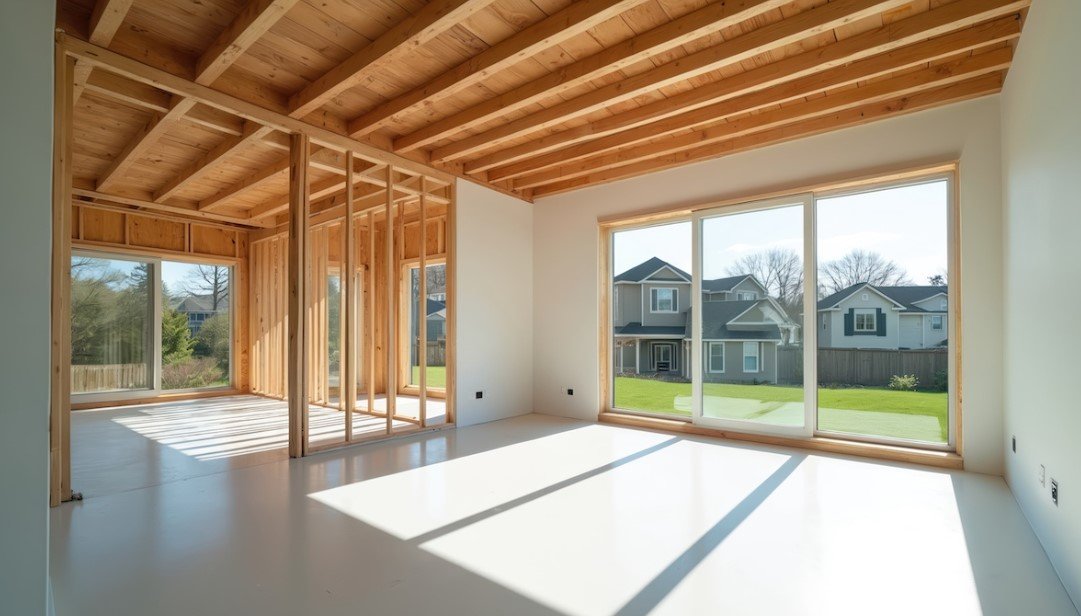
Designing a home that truly reflects who you are is one of the most rewarding journeys you can take. Instead of adapting your life to a pre-built structure, choosing to build a Custom Home allows you to shape every detail according to your habits, preferences, and future goals. From layout to lighting, every decision becomes a chance to create a space that feels uniquely yours.
Whether you’re dreaming of a cozy retreat or a modern masterpiece, understanding the process will help you make confident choices along the way.
Why Choose to Build a Custom Home?
When you Build a Custom Home, you’re not limited by someone else’s vision. Pre-designed homes often come with compromises—awkward layouts, unused spaces, or outdated features. Custom building eliminates these issues.
Key Benefits:
-
Personalized design tailored to your lifestyle
-
Efficient use of space
-
Freedom to choose materials and finishes
-
Better energy efficiency options
-
Future-proofing your home
A custom home isn’t just a place to live—it’s a long-term investment in comfort and functionality.
Start with Your Lifestyle Needs
Before jumping into design plans, take a step back and evaluate how you live daily. This is the foundation when you Build a Custom Home.
Ask Yourself:
-
Do you work from home and need a dedicated office?
-
How often do you entertain guests?
-
Do you prefer open spaces or defined rooms?
-
Will your family grow in the future?
Your answers will shape everything—from the number of rooms to the overall layout.
Set a Realistic Budget
Budgeting is a critical step in the journey to Build a Custom Home. Without a clear financial plan, costs can quickly spiral out of control.
What to Include in Your Budget:
-
Land purchase
-
Design and architectural fees
-
Construction costs
-
Permits and inspections
-
Interior finishes and landscaping
Always include a contingency fund (typically 10–15%) for unexpected expenses. This ensures your project stays on track even if surprises arise.
Choose the Right Location
Location plays a huge role in your lifestyle. Even the best-designed house won’t feel right if it’s in the wrong place.
When planning to Build a Custom Home, consider:
-
Proximity to work, schools, and amenities
-
Neighborhood safety and community
-
Future development plans in the area
-
Natural surroundings and views
The right location enhances both your daily life and your property’s long-term value.
Work with the Right Professionals
A successful custom home project depends on having the right team. You’ll likely need:
-
An architect or home designer
-
A builder or contractor
-
Interior designer (optional but helpful)
When you Build a Custom Home, communication is key. Choose professionals who understand your vision and are willing to collaborate closely with you.
Tips for Choosing Experts:
-
Check portfolios and past work
-
Read reviews and testimonials
-
Ask for references
-
Ensure clear contracts and timelines
Design with Functionality in Mind
A beautiful home is important, but functionality should never be compromised. As you Build a Custom Home, focus on how each space will be used.
Smart Design Ideas:
-
Open floor plans for better flow
-
Ample storage solutions
-
Multi-purpose rooms
-
Natural lighting and ventilation
Think about your daily routines—where you relax, cook, work, and socialize—and design accordingly.
Prioritize Energy Efficiency
Modern homeowners are increasingly focusing on sustainability. When you Build a Custom Home, you have the perfect opportunity to integrate energy-efficient features from the start.
Consider:
-
Solar panels
-
Energy-efficient windows and insulation
-
Smart home systems
-
LED lighting
These features not only reduce your environmental footprint but also save money in the long run.
Personalize the Interior Design
Interior design is where your personality truly shines. From color schemes to materials, every detail contributes to the overall feel of your home.
When you Build a Custom Home, think about:
-
Your preferred design style (modern, traditional, minimalist)
-
Color palettes that reflect your mood
-
Furniture placement and comfort
-
Unique elements like accent walls or custom cabinetry
This is your chance to create a space that feels both stylish and comfortable.
Plan for the Future
A smart homeowner always thinks ahead. As you Build a Custom Home, consider how your needs might change over time.
Future-Proofing Ideas:
-
Extra bedrooms for growing families
-
Flexible spaces that can adapt over time
-
Aging-in-place features like wider doorways and step-free access
-
Space for potential expansions
Planning for the future ensures your home remains functional for years to come.
Stay Involved Throughout the Process
Building a custom home isn’t a one-time decision—it’s an ongoing process. Staying involved ensures everything aligns with your vision.
What You Should Do:
-
Visit the construction site regularly
-
Review progress updates
-
Communicate openly with your builder
-
Make timely decisions to avoid delays
Active involvement helps you catch issues early and keeps the project moving smoothly.
Avoid Common Mistakes
Even with careful planning, mistakes can happen. Being aware of common pitfalls can help you avoid them when you Build a Custom Home.
Watch Out For:
-
Over-customization that hurts resale value
-
Ignoring storage needs
-
Choosing trends over timeless design
-
Underestimating costs
-
Poor communication with contractors
Learning from others’ experiences can save you time, money, and stress.
Final Thoughts
Choosing to Build a Custom Home is more than just a construction project—it’s a deeply personal experience. It allows you to create a space that aligns perfectly with your lifestyle, preferences, and future plans.
By focusing on thoughtful planning, smart design, and the right team, you can turn your vision into reality. The result isn’t just a house—it’s a home that feels truly yours in every sense.
