
Nothing disrupts the comfort of a home quite like the unwelcome presence of pests. Whether it’s ants marching across your kitchen counter, mosquitoes buzzing at night, or cockroaches hiding in dark corners, these intruders can quickly turn a peaceful living space into a source of stress. Understanding How to Get Rid of Common Household Pests Effectively is essential not only for maintaining cleanliness but also for protecting your health and property. With the right approach, you can eliminate pests and prevent them from coming back.
1. Identify the Type of Pest
Before taking any action, it’s important to identify the specific pest problem. Different pests require different solutions. For example, ants are often attracted to food crumbs, while termites feed on wood. Correct identification ensures that you apply the most effective treatment method.
2. Maintain Cleanliness
Cleanliness is your first line of defense against pests. Most household pests are attracted to food, moisture, and clutter. Regularly sweep and mop floors, wipe down surfaces, and store food in sealed containers. Taking out the trash daily and keeping your kitchen clean can significantly reduce pest activity.
3. Seal Entry Points
Pests often enter homes through small cracks and openings. Inspect doors, windows, walls, and foundations for gaps. Use caulk or weather stripping to seal these entry points. Installing door sweeps and repairing damaged screens can also prevent pests from getting inside.
4. Eliminate Standing Water
Many pests, especially mosquitoes, thrive in areas with standing water. Check for water accumulation in sinks, plant pots, drains, and outdoor containers. Fix leaking pipes and ensure proper drainage around your home to remove breeding grounds.
5. Use Natural Remedies
If you prefer eco-friendly solutions, several natural remedies can help control pests. For example:
- Vinegar solutions can deter ants.
- Baking soda mixed with sugar can help eliminate cockroaches.
- Essential oils like peppermint and lavender can repel insects.
These methods are safe for families and pets while still being effective when used consistently.
6. Apply Chemical Treatments Carefully
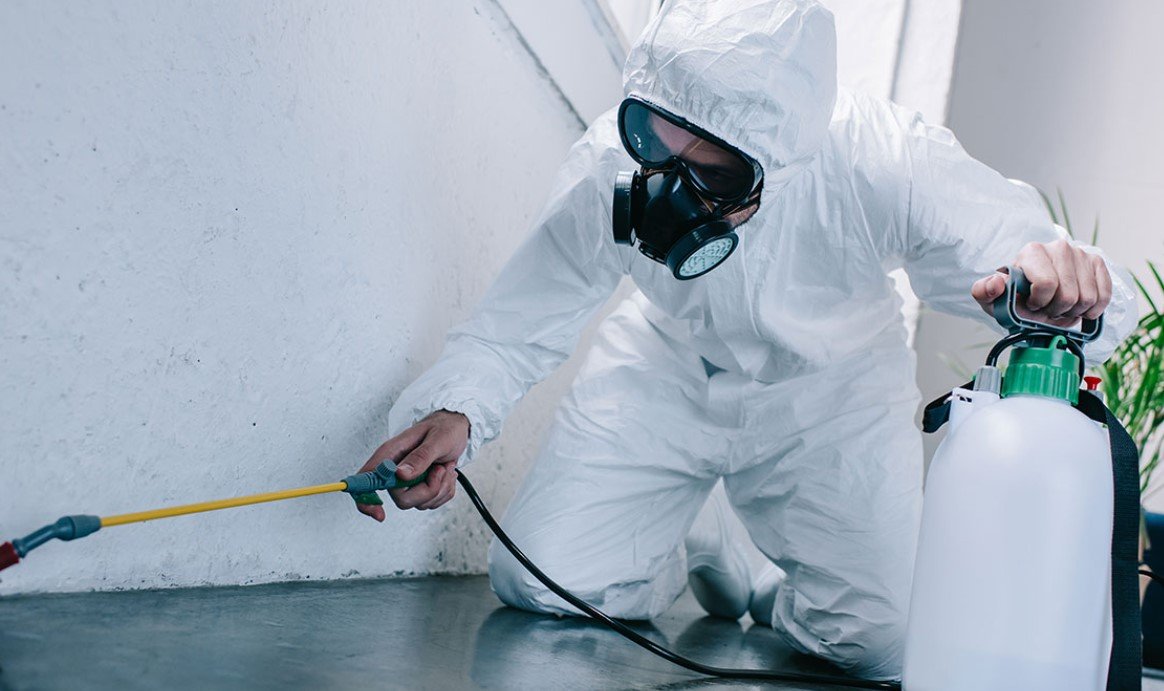
For more severe infestations, chemical pesticides may be necessary. Choose products specifically designed for the pest you’re targeting and follow the instructions carefully. Always keep these products out of reach of children and pets, and consider using them as a last resort.
7. Set Traps and Baits
Traps and baits are effective tools for controlling pests like rodents and cockroaches. Sticky traps, snap traps, and bait stations can help reduce pest populations. Place them in areas where pests are commonly seen, such as along walls or near entry points.
8. Keep Outdoor Areas Clean
Your yard or surrounding environment can influence pest activity inside your home. Trim overgrown plants, remove debris, and keep garbage bins tightly sealed. A clean outdoor space reduces the likelihood of pests finding their way indoors.
9. Store Food Properly
Food is one of the main reasons pests invade homes. Store grains, snacks, and leftovers in airtight containers. Avoid leaving food uncovered, and clean up spills immediately. Even small crumbs can attract ants and other insects.
10. Call Professional Pest Control
If the infestation becomes unmanageable, it’s best to seek professional help. Pest control experts have the knowledge and tools to handle severe cases effectively. They can also provide long-term solutions and preventive measures tailored to your home.
Common Household Pests and Their Solutions
Ants
Ants are usually drawn to sugary or greasy foods. Keeping surfaces clean and using vinegar solutions can help deter them. Sealing entry points is also crucial to prevent re-entry.
Cockroaches
Cockroaches thrive in warm, dark, and moist environments. Regular cleaning, proper waste disposal, and using baits can help eliminate them.
Mosquitoes
Mosquitoes breed in standing water. Eliminating water sources and using mosquito repellents or nets can reduce their presence.
Rodents
Rats and mice can cause significant damage. Using traps, sealing holes, and keeping food stored securely are effective ways to control them.
Prevention is Key
The best way to deal with pests is to prevent them from entering your home in the first place. Regular inspections, proper sanitation, and maintenance go a long way in keeping your living space pest-free. Prevention not only saves time and money but also ensures a healthier environment for your family.
Final Thoughts
Learning How to Get Rid of Common Household Pests Effectively is essential for maintaining a safe and comfortable home. By combining cleanliness, proper maintenance, and targeted treatments, you can successfully eliminate pests and keep them from returning.
Consistency is the key. Small daily habits—like cleaning up after meals, sealing food, and checking for leaks—can make a big difference over time. With the right strategies in place, you can enjoy a home that feels clean, secure, and completely free of unwanted guests.
