
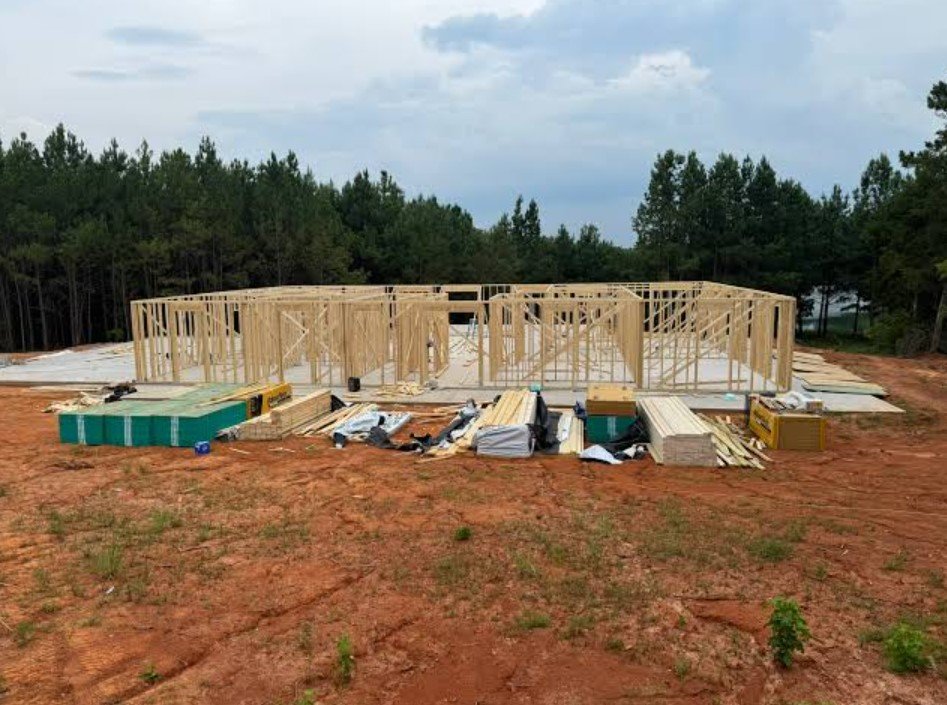
Buying a piece of land is an exciting step toward creating a dream home, but not every property is suitable for construction. A beautiful plot with a convenient location may still present challenges because of soil conditions, drainage issues, zoning restrictions, or limited access to utilities. Understanding these factors before purchasing land can help future homeowners avoid expensive surprises and make confident decisions. Land Buildability refers to how suitable a particular property is for constructing a home based on its physical characteristics, legal requirements, environmental conditions, and available infrastructure.
Whether you are planning a custom-built house or investing in residential property, evaluating buildability early can save time, money, and unnecessary stress. Here are the most important factors to consider before moving forward.
What Is Land Buildability?
Land buildability describes the ability to develop a property safely, legally, and practically. It determines whether a proposed home can be constructed on a specific site and what preparations may be necessary before construction begins.
A property may be legally available for purchase but still require extensive grading, specialized foundations, drainage improvements, or additional permits. These requirements can significantly increase the total cost of building a home.
Evaluating a property’s buildability involves reviewing the land itself, local building regulations, environmental concerns, and the availability of essential services.
1. Soil Quality and Ground Stability
Soil conditions are among the most important considerations when determining whether land is suitable for residential construction. A house needs a stable foundation capable of supporting its weight without excessive settlement or movement.
Different soil types behave differently under pressure. Dense gravel and suitable sandy soils can provide favorable building conditions, while soft clay, loose fill, and highly organic soils may create challenges.
Before purchasing land, consider the following steps:
- Conduct a soil test: A geotechnical investigation can identify soil composition, bearing capacity, and potential settlement risks.
- Check for expansive clay: Certain clay soils expand when wet and shrink when dry, potentially damaging foundations.
- Investigate previous land use: Former industrial sites, filled wetlands, or reclaimed land may require additional testing.
- Assess groundwater conditions: A high water table can complicate excavation and foundation construction.
Professional soil testing helps determine the appropriate foundation design and whether ground improvements are necessary.
2. Zoning Laws and Building Regulations
Even when land appears physically suitable, local regulations may prevent certain types of construction. Zoning laws establish how properties can be used and what structures may be permitted.
For example, a plot designated for agricultural or commercial use may not automatically allow a single-family home. Residential zoning may also specify minimum lot sizes, maximum building heights, setbacks, and limits on building coverage.
Before making a purchase, verify the following:
- Whether residential construction is permitted.
- Minimum distance requirements from property boundaries.
- Maximum building height and floor-area limitations.
- Restrictions on subdivision or future expansion.
- Applicable building codes and permit requirements.
Consulting the local planning or building authority can clarify these requirements. Confirming zoning compatibility early helps prevent costly delays and redesigns.
3. Land Shape, Slope, and Elevation
The shape and elevation of a property directly influence construction methods and overall project costs. Flat or gently sloping land is often easier to develop than steep, uneven terrain.
Sloped properties may require retaining walls, specialized foundations, additional excavation, and carefully designed drainage systems. These features can increase both construction expenses and project complexity.
Irregularly shaped plots may also limit where a house, driveway, garage, or outdoor living area can be positioned.
When assessing the terrain, consider how much usable space remains after accounting for setbacks, access routes, and drainage requirements. A professional land surveyor or engineer can help determine whether the property can accommodate your proposed house design.
4. Drainage, Flood Risk, and Water Management
Water-related problems can seriously affect Land Buildability and long-term property safety. Poor drainage may cause standing water, foundation damage, soil erosion, and moisture entering basements or ground-floor spaces.
Properties near rivers, lakes, coastal areas, or low-lying neighborhoods may face additional flood risks. Even land outside a designated flood zone can experience localized flooding during heavy rainfall.
Before buying, investigate historical flooding, natural water flow, nearby drainage channels, and the condition of existing stormwater systems.
You should also determine whether the property needs grading, drainage pipes, rainwater management features, or other protective measures. In some locations, environmental restrictions may limit how water can be redirected.
A qualified engineer can recommend practical solutions based on the site’s elevation, soil permeability, and surrounding landscape.
5. Access to Roads and Utilities
A property must have practical access and suitable infrastructure to support residential living. Without reliable road access or essential utilities, building a home may become significantly more complicated.
Check whether the property has legal access from a public road or requires an easement across neighboring land. Also determine whether construction vehicles can reach the site safely.
Important utilities include electricity, drinking water, wastewater disposal, telecommunications, and natural gas where available.
If public water and sewer connections are unavailable, alternatives such as a private well or septic system may be possible, subject to local regulations and site conditions.
Request estimates for utility connections before purchasing. A plot with a low asking price may become considerably more expensive if new roads, power lines, water pipes, or wastewater facilities must be installed.
6. Environmental Restrictions and Protected Areas
Environmental conditions can influence whether construction is permitted and which building methods are acceptable. Wetlands, protected habitats, floodplains, and areas containing contaminated soil may be subject to special restrictions.
Some properties also contain protected trees, archaeological features, or natural drainage corridors that limit development.
Before finalizing a purchase, review available environmental records and determine whether specialist assessments are required. Depending on the location, permits may be necessary before clearing vegetation, changing the terrain, or building near waterways.
Identifying these restrictions early can help you avoid purchasing land that cannot support your intended project.
7. Survey Boundaries and Easements
Accurate property boundaries are essential when planning a home. A professional land survey can confirm the plot’s dimensions, identify boundary markers, and reveal potential encroachments.
Easements are another important consideration. They may grant utility providers or neighboring property owners certain rights to access or use part of the land.
These rights can restrict where buildings, fences, driveways, and other improvements may be placed.
Review the property’s title documents, registered easements, access rights, and applicable land records before completing the transaction. A clear understanding of these details helps prevent future disputes and design complications.
8. Total Development Costs and Financial Planning
The purchase price represents only one part of the cost of building a home. Site preparation, permits, surveys, engineering services, utility connections, drainage improvements, and foundation work can substantially increase the budget.
Create a realistic development estimate before committing to the property. Ask contractors or relevant professionals to assess unusual site conditions and provide preliminary cost estimates.
It is also wise to maintain a contingency fund for unexpected expenses. Discovering unsuitable soil or inadequate drainage after purchasing land can put considerable pressure on your finances.
Comparing the total cost of developing several properties may reveal that a slightly more expensive but construction-ready plot offers better overall value.
Conclusion
Determining whether a property is suitable for construction requires more than evaluating its location and purchase price. Soil stability, zoning regulations, terrain, drainage, utilities, environmental restrictions, property boundaries, and development expenses all influence the feasibility of building a home.
A thorough assessment of Land Buildability allows future homeowners to identify potential problems before they become expensive obstacles. Work with qualified surveyors, engineers, contractors, and local authorities to verify the property’s suitability and understand the requirements for development.
By researching carefully and planning ahead, you can choose land that supports your vision, fits your budget, and provides a stronger foundation for building a safe, comfortable, and lasting home.
