
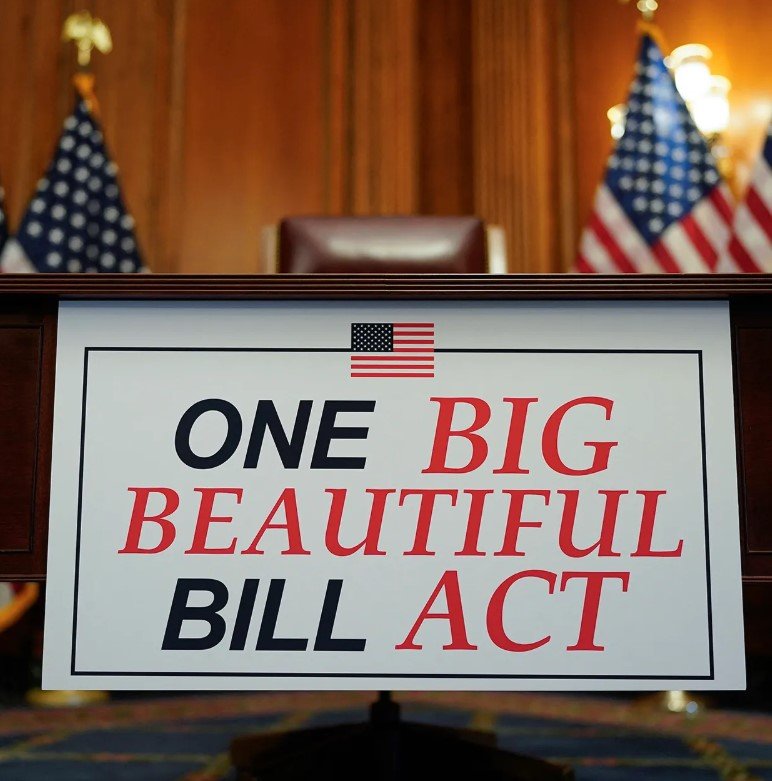
The proposed policy package, often referred to as the One Big Beautiful Bill education impact, has sparked widespread discussion among educators, policymakers, and families. While the name itself sounds broad and ambitious, the real significance lies in how it restructures education funding, reshapes student support systems, and influences the long-term direction of schools across different regions. This article breaks down its key components and explains what these changes could mean in practice for students, teachers, and institutions.
Understanding the Core of the One Big Beautiful Bill
At its center, the One Big Beautiful Bill Education Impact aims to streamline federal and state education funding into a more unified structure. Instead of multiple fragmented grant programs, the bill proposes consolidated funding streams designed to reduce administrative complexity.
This shift is intended to:
Improve transparency in how education funds are distributed
Reduce delays in funding allocation to schools
Ensure more predictable budgeting for school districts
Expand access to underserved communities
However, critics argue that consolidation may also reduce targeted support for specific programs, especially those addressing special education or low-income student assistance.
Changes in Student Funding Systems
One of the most discussed aspects of the One big beautiful bill education impac is how it affects student funding directly. Traditionally, students rely on a combination of federal aid, state grants, scholarships, and institutional support. The bill proposes restructuring this ecosystem.
Key Funding Adjustments:
Expansion of need-based financial aid models
Increased flexibility in Pell Grant-style programs
Introduction of performance-linked scholarships in some states
Streamlined application processes for federal aid
For students, this could mean faster access to funds and fewer bureaucratic hurdles. However, there is concern that performance-based funding might disadvantage students in under-resourced schools where academic outcomes are already impacted by external factors.
Impact on Public Schools and Institutions
Schools are expected to experience significant operational changes under the One big beautiful bill education impac framework. Funding formulas will likely shift toward enrollment numbers and standardized performance indicators.
Positive Institutional Effects:
Many school administrators see potential benefits such as:
More predictable annual budgets
Reduced dependency on multiple grant applications
Increased autonomy in resource allocation
Potential Challenges:
Despite these advantages, schools may also face:
Pressure to meet standardized performance metrics
Reduced flexibility for niche educational programs
Possible funding disparities between high- and low-performing districts
This dual effect highlights the complexity of balancing efficiency with equity in education policy.
Teacher Workforce and Staffing Implications
Teachers are at the core of any education reform, and the One big beautiful bill education impac introduces indirect but important changes to staffing systems.
Expected Outcomes for Educators:
Revised salary incentive structures in some districts
Increased focus on measurable student outcomes
Potential funding for teacher training and digital learning tools
However, educators also express concerns that performance-driven funding could place additional pressure on already overworked staff. If funding becomes tied closely to student test scores, it may unintentionally shift teaching priorities toward test preparation rather than holistic learning.
Technology Integration and Modern Learning
Another key element of the One big beautiful bill education impac is its emphasis on technology integration. The bill encourages schools to modernize infrastructure and expand digital learning opportunities.
Areas of Investment:
Classroom technology upgrades
Expansion of online and hybrid learning platforms
AI-assisted learning tools for personalized education
Improved internet access in rural and underserved areas
This modernization effort could significantly reduce the digital divide, especially in regions where students currently lack access to reliable educational technology.
Equity Concerns and Policy Debate
While the goals of the One big beautiful bill education impac include improving efficiency and access, equity remains a central concern.
Critics highlight several risks:
Rural and low-income districts may struggle under performance-based funding models
Smaller schools could lose specialized programs due to consolidation
Students with disabilities may face reduced tailored support if funding becomes too generalized
Supporters counter that the streamlined system will eventually lead to fairer distribution by reducing inefficiencies and administrative waste.
The debate ultimately centers on whether centralization can coexist with equity-focused education strategies.
Long-Term Educational Outcomes
If fully implemented, the One big beautiful bill education impac could reshape education outcomes over the next decade. Potential long-term effects include:
Greater consistency in national education standards
Improved funding efficiency across states
Increased adoption of digital learning tools
More competitive scholarship and grant systems
However, the success of these outcomes depends heavily on implementation details and how well policymakers address regional disparities.
Conclusion
The One Big Beautiful Bill Education Impact represents a major shift in how education systems may be funded and managed. By consolidating funding streams, promoting technology integration, and emphasizing measurable outcomes, it aims to modernize education infrastructure. At the same time, it raises important questions about fairness, access, and long-term equity.
For students, schools, and teachers, the impact will likely be mixed—offering both opportunities for improvement and challenges that require careful oversight. As the policy continues to develop, its real success will depend on balancing efficiency with inclusivity, ensuring that every learner benefits from the changes rather than being left behind.
